
Choosing the Right Kitchen Tap: A Buyer's Guide
Picking the best type of kitchen tap will depend on how you use your kitchen, its style, and your sink. In most homes, a mixer tap is the most versatile and common option, having largely replaced pillar taps.
Mixer taps are a very versatile product, from pull-out taps for flexibility, to filtered water taps for drinking water, to bridge taps for a classic style, to immediate boiling or chilled water options. We will be focusing on mixer taps in this blog.
While kitchen taps may seem like a minor detail, they have an outsized impact on a kitchen's practicality and aesthetic. By accounting for the way you use your kitchen and the existing features like tiles, colour, and hardware, you can make the best tap choice for your kitchen.
In this blog, we will be discussing the types of kitchen taps on the market, their advantages for different use cases, and how to style them to suit your existing kitchen.
What to Consider When Choosing a Kitchen Tap?
The best kitchen tap suits your practical needs and your kitchen's style. But before that, you should note the number of tap holes your sink has.
Your sink may have one tap hole, two tap holes or no tap holes at all. One tap hole usually indicates a mixer tap; two would suggest a hot and cold pillar tap; and none would suggest that a tap should be mounted on the worktop.
You may also need to consider the amount of space you have. Is there a shelf or window obstructing your tap's placement?
Water pressure can also affect your tap choice. Some taps are more suitable for lower water pressure. You can check if your home has low water pressure with a test:
Fill a measuring jug with cold water with the tap fully open. If it takes longer than 7 seconds to fill 1 litre, you have low water pressure.
Mixer taps come in two forms: single-lever and twin-lever. The single lever controls the hot and cold water with the same control. They tend to look cleaner and more minimalist, and they work well with neutral colours and streamlined worktops.
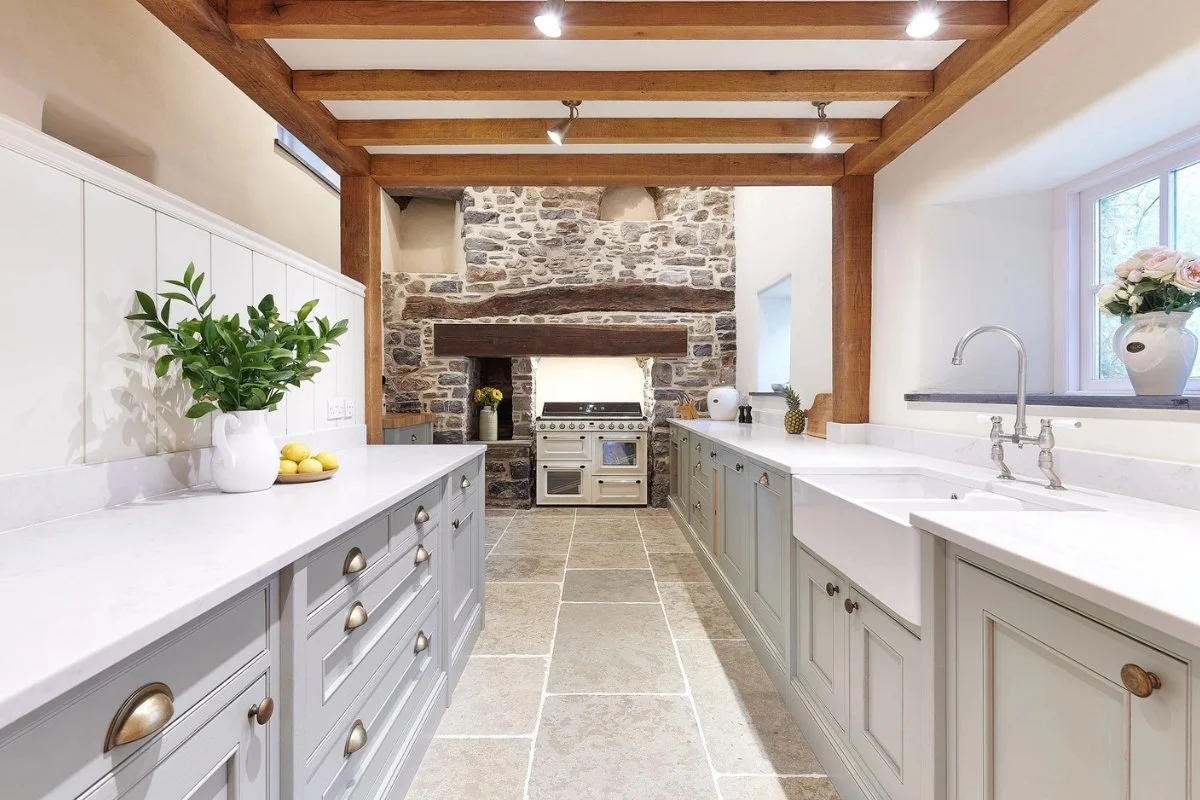
Twin-lever taps give separate control over hot and cold water. They tend to be more decorative and traditional, perfect for country and classic homes. They work especially well when paired with a classic style of cabinet and heritage colour scheme.
Boiling Water and Filtered Water Taps
Boiling water taps are designed to provide instant boiling water, as well as cold water. Typically, they are connected to a boiler tank unit under the sink, to save on worktop space, removing the need for a kettle.
For a busy household, this could be a game-changer. In an open-plan kitchen with a contemporary design, open and clutter-free surfaces matter. Often, you will find this aesthetic with minimalist designs and white colour schemes. and things like quartz worktops.
Filtered water taps are good options for those who want better-tasting water. Generally, the east of the UK has harder water, which can affect the taste of drinking water and drinks made from the water.
These taps are connected to a filtration system under the countertop. The disadvantage of these systems is that the filters need to be replaced regularly, every 6-12 months, depending on usage and area.
These taps tend to pair well with more natural kitchens, natural oak, warm neutrals, or forest greens.
Pull-Out, Pull-Down and Spring-Neck Taps
Pull-out taps include spring-necked taps and retractable nozzles. They allow you to direct water precisely, making them good for rinsing vegetables and washing pans or dishes.
If you regularly cook or have a busy kitchen, pull-out taps can be a very practical upgrade to your kitchen. When washing up is a regular part of the kitchen activities, these taps can be a really great option.
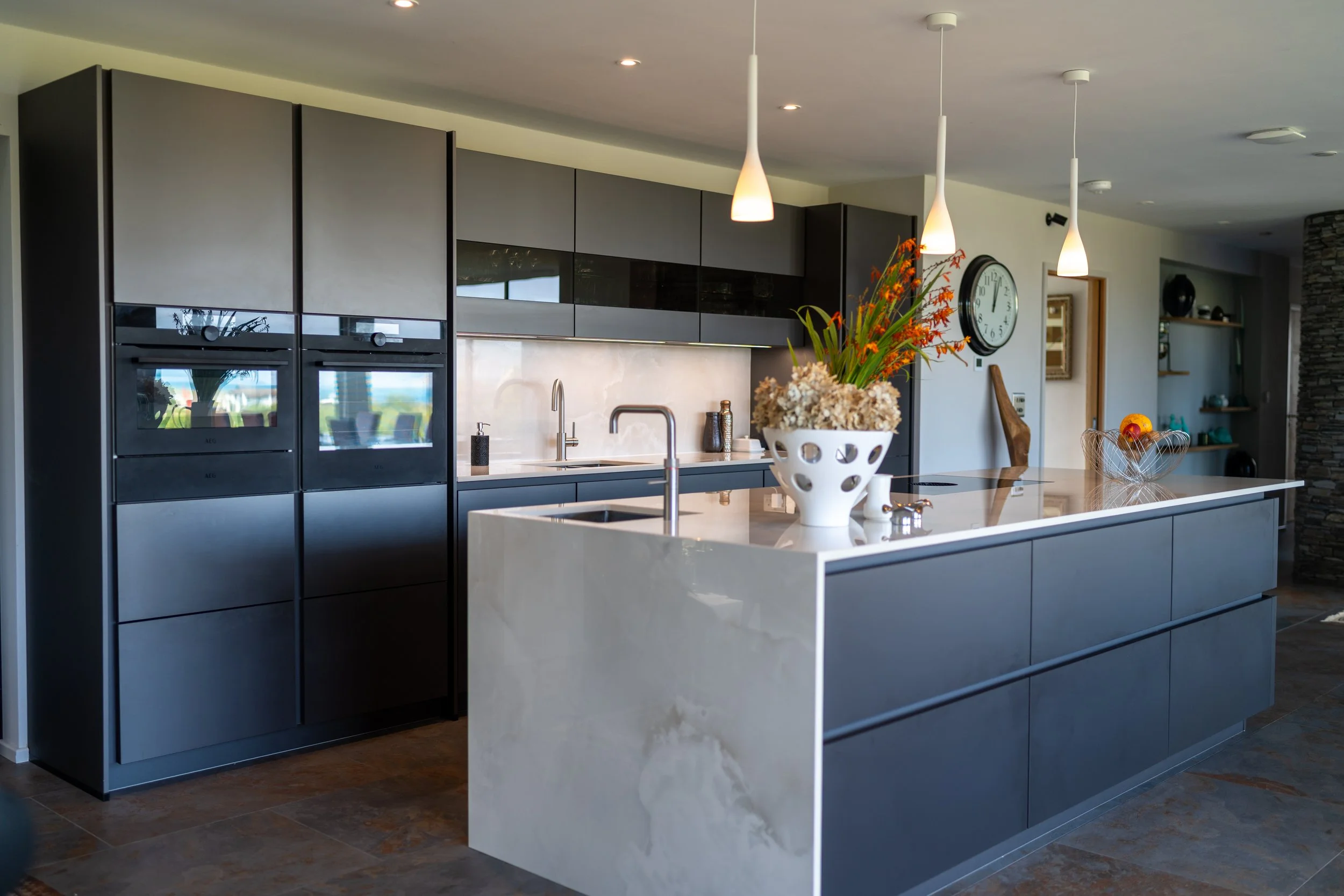
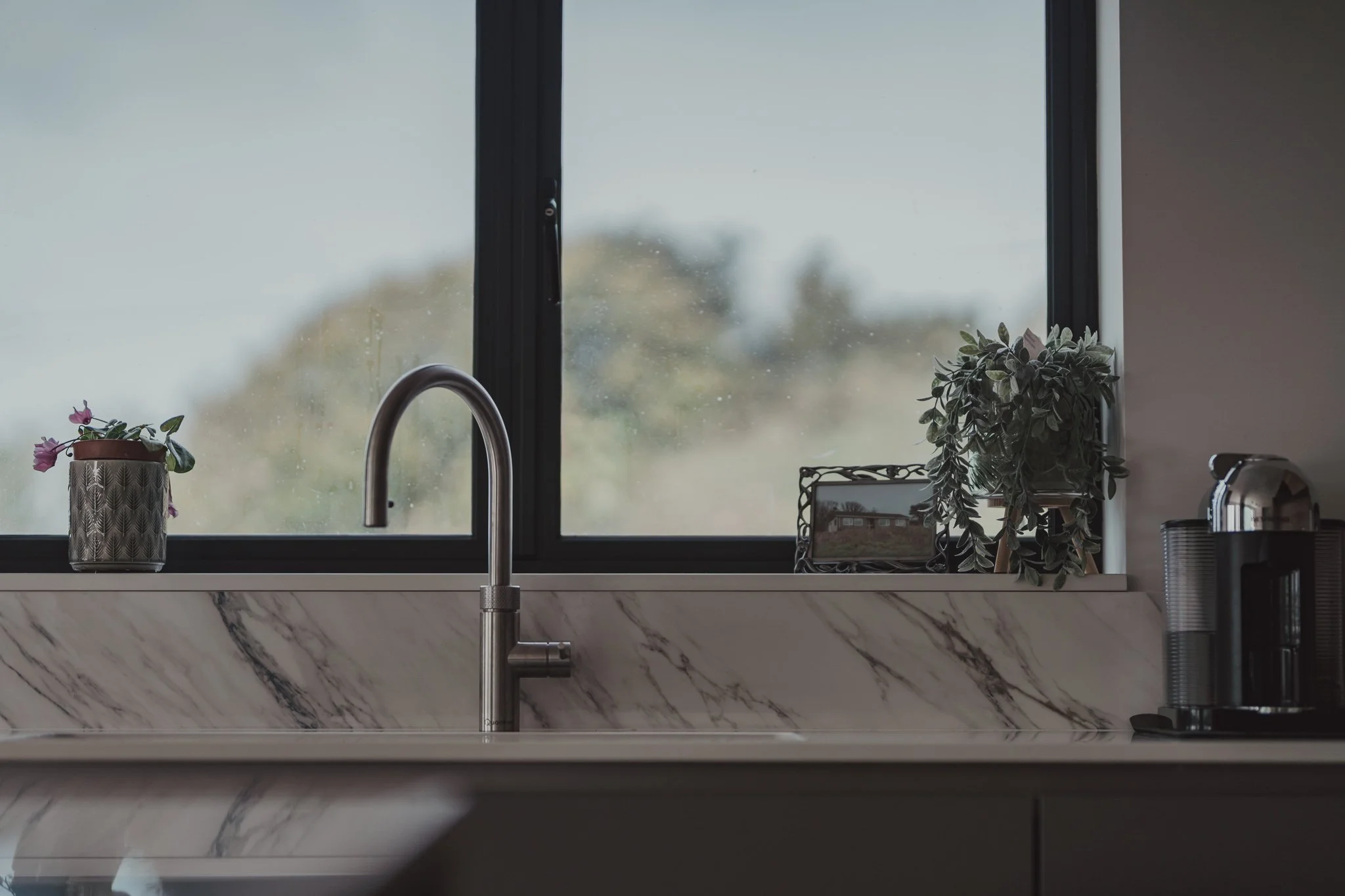
Most pull-out taps are commonly slim chrome or brushed steel, ideal for modern kitchens. Black versions are also popular; they can provide a visually distinct contrast to a white or pale kitchen.
Spring-neck taps have a professional look, and versions of them can be found in professional kitchens. These taps are good for large open-plan kitchens and contemporary rustic designs.
Bridge & Pillar Taps
Bridge taps, sometimes known as deck mixer taps, are the same as twin-lever taps. They have separate controls of hot and cold water, but join both together in one stream, connected by a horizontal bridge.
This style looks vintage and fits well into rustic style kitchens and even period properties. They pair particularly well with Belfast sinks to create a classic style focal point in a kitchen. When combined with natural woods, classic tiles, and soft colours, they can really create a timeless look.
Pillar taps are an option for those searching for simple and affordable taps. They are separate hot and cold taps that are easy to install, but make it harder to control the overall temperature.
For most renovation projects, a mixer tap is more practical, but for those looking for a very traditional look or to fill an existing sink with two tap holes without needing to change existing plumbing, they still have a purpose.
How to Match Kitchen Taps with Cabinets, Tiles and Colours
Taps come in many designs, colours, and finishes, suitable for modern and traditional kitchens. To find the right one, your taps should fit into the wider aesthetic.
Chrome is a versatile finish; it works in a huge variety of styles. It is a safe choice for white and grey kitchens, glossy tiles and stainless steel appliances.
Matt black taps can be striking when they contrast with the existing kitchen. They are useful for monochrome schemes, professional designs, and white splashbacks. Pairing the black taps with additional black elements, like appliances and hardware, will make your design choice seem bold and deliberate.
Brushed brass can add warmth and look great against blues, greens, and cream, while nickel and stainless steel feel professional and clean, working better with more neutral tones.
Generally speaking, you want to choose a tap that matches or complements hardware elements already present in the kitchen or your design. This could be handles, hinges, or appliances.
Which Kitchen Tap Should You Buy?
Choose a boiling tap for convenience and less clutter. Choose a water filter tap for quality drinking water. Choose a pull-out tap for fast and effective cleaning. Choose a bridge tap for a rustic style. But a single-lever tap works for almost every kitchen.
The right tap should be chosen in conjunction with the primary use of the kitchen and the overall look, informed by the existing design elements. With all of these elements coming together, you can bring the whole room to life.
At Cwtch Haus, we design kitchens, bathrooms, and bedrooms that look beautiful and work for your needs. If you are planning a renovation and would like help picking the right layout and finishing touches, you can contact us to collaborate on your project.
