
7 Types of Bathtubs To Help Design Your Dream Bathroom
Thinking of upgrading your bathroom but not sure where to start?
The bath is one of the main focal points of the bathroom - and one of the most overlooked, usually chosen after spending countless hours choosing the right colour tiles or vanity unit. Well, not today.
We're putting the bath front and centre, walking through the different types of baths to help bring your dream bathroom to life. And it matters more than you think.
According to Drench’s Great British Bath Report, Brits are still emotionally connected to the bath, with 80% of homeowners who have one using it regularly and 27% of them saying a bath is the most effective mental reset from phones, emails and social media.
The bathroom is one of the most-used rooms in the house, so whether it’s for practicality or style, it's worth taking the time to choose one that works for you.
Whether you're planning a complete makeover or simply replacing a tired bath, let’s explore some of the different types of bathtubs available.
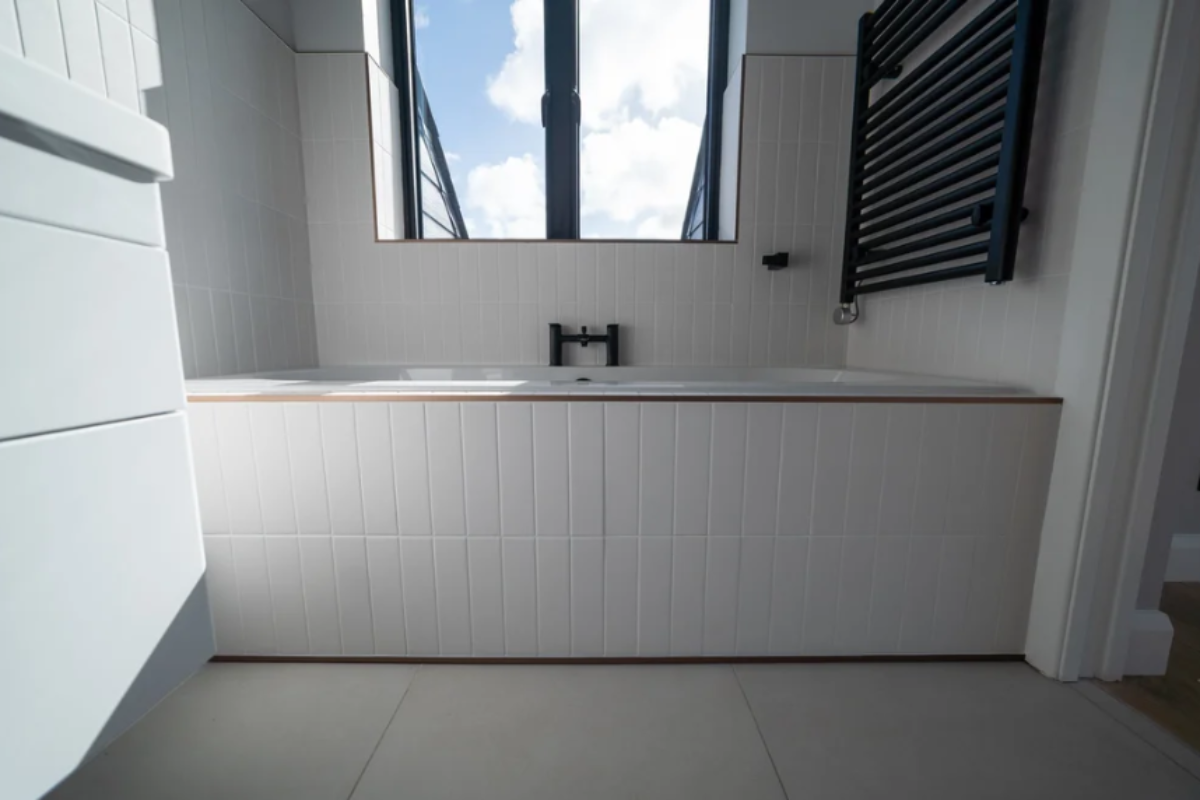
The best type of bathtub is both functional and stylish and choosing it can involve three key things: size, material and function.
Choosing the best type of bath for you
Now, before choosing your bathtub, you need to consider these three things:
1. Size of the space
The size of the bathroom will determine the size and shape of the bath. If you have a smaller, cosier bathroom, you want a bathtub that saves on space, such as an alcove or corner bath, as opposed to choosing something like a freestanding bath, which requires a lot of space.
Once you've measured up the space and planned your layout, you will have a good indication of the options available to you. This will also help manage expectations. Use this bathroom design guide to help you get started - it also gives you design tips for space saving and storage ideas.
2. The material
The material is the next thing you need to consider. The most common type of material for bathtubs is acrylic, mainly because it's lightweight, warmer to the touch and holds heat reasonably well. However, if you're looking to spend a bit more money, or for something that's a bit different, you can also choose from various other materials.
From steel enamel and stone resin to copper, these different materials offer different benefits and stylistic statements and can really add to your design aesthetic. Learn more about the types of bathtub materials and their benefits to help you decide.
3. Function of the bath
Now you're probably thinking "there's only one main function for a bath — bathing." However, when we speak about function, we're talking about whirlpools, air spas, combination systems and even accessibility.
You may even want to consider a two-person or double-ended bath. I know what you're thinking; there's a lot more to choosing a bathtub than you think. There are lots of different options out there, which is why understanding exactly what it will be used for is key.
The different types of bathtubs
Believe it or not, there are more types of bathtubs than you think, from shower baths and freestanding to undermount designs.
In this guide, we'll break down exactly what each one brings to your bathroom to help you decide which one is right for you and your space.
1 - Alcove
The Alcove bath is the standard (1700mm length in the UK) three-walled bathtub with one finished apron side. This is the most common type of bathtub and one you are likely to see in most homes. It is also the default for the shower-over bathtub setup.
Most people go for this type of bathtub as it’s very versatile and can tie into almost any type of bathroom aesthetic and size. It's also the cheapest type to install as it reuses existing plumbing and only needs one finished side.
2 - FreeStanding
The freestanding bath is exactly what it says it is - it sits away from the wall, on its own with all walls visible. This is a bathtub that becomes more of a statement feature and focal point within the bathroom compared to any others.
Often found in larger bathrooms, with plenty of space as they tend to be positioned in the centre of the room or looking out the window. They also tend to be more expensive than an alcove-style bathtub, and installation is more complex as they need floor-standing or wall-mounted taps since there's no wall to plumb into.
3 - Clawfoot
The type of bathtub is more of a sub-type of the free standing bathtub. A clawfoot bath can be found in more period-style homes (Victorian/Edwardian) and is a classic statement feature that suits more traditional-style bathroom designs.
If you’re looking for something with character, this will definitely make an impression. Again, this type of bath requires more space than your average-sized bathroom and requires a larger budget compared to your standard-style bathtubs for the same installation reason.
4 - Drop-in
This style of bathtub also does what it says on the tin - it drops into a platform or surround built around it. This allows you to be more creative with styling, from tiling to solid stone around the outside, while also creating a more seamless finish. You may even choose to highlight it with funky design tiles.
The drop-in bathtub can fit into both small and large-sized bathroom spaces; however, the joinery around the outside will be the thing that costs you.
5 - Undermount
The undermount bath design is one where the rim is hidden, usually beneath the tiling. This type of bathtub is one of the most expensive to install, as it’ll require more materials and labour costs to fit it.
Again, this is ideal if you want a more seamless finish to your bathroom, making it ideal for the modern, minimalist style aesthetic. It’s also more hygienic compared to the drop-in (the drop-in can trap dirt and mildew around the rim).
6 - Corner
A corner bath is often triangular in shape and slots nicely into a corner. This is great for small to medium-sized bathrooms. You can also get purpose-built two-person models for those who want that extra bit of space.
Choosing a corner style bathtub is ideal if you want to give a more spa-type feel, as opposed to the standard rectangular bath you find in most houses. It’s great for maximising floor space in awkward layouts such as lofts, ensuites and box-sized bathrooms.
7 - shower bath (l shape)
Now, for those who can't decide between a bath and a shower (maybe because you haven't got space for both), why not consider a shower bath or L-shaped bath? This is extremely common for smaller homes that want the option for both.
The shower bath allows enough room for showering and bathing, with one end wide enough to stand comfortably. It's an easy choice for the modern-day bathroom, and affordable for most homeowners.
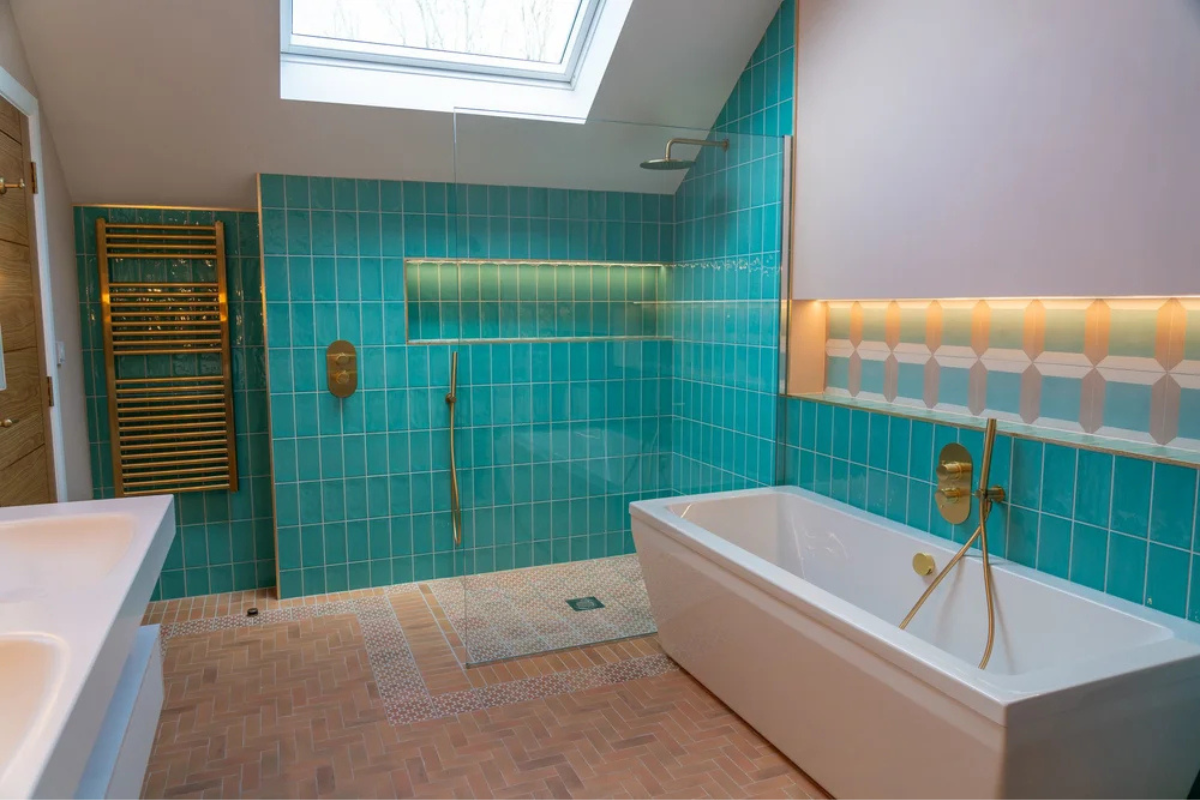
At Cwtch Haus we offer quality bathroom design services with a no-obligation, free design and measure service to help you get started.
Need help choosing the best type of bathtub for your bathroom?
At Cwtch Haus we pride ourselves on the quality, reliability, and value that we provide our customers.
Whether you’re looking for a complete bathroom redesign or a few simple upgrades, we can help with everything from colour schemes, design layouts, and product decisions, including bathtubs.
Book your free design and measure service today and take that first step towards your dream bathroom. Our team has over 15 years of experience working with top national retailers in the bathroom industry, and can help maximise your space and enhance your aesthetic.
Call us on 01437 765960 or email us at info@cwtchhaus.co.uk for more information.
