
A good chunk of our lives is spent in the bathroom - around 416 days for Brits in an average lifetime, according to Study Finds. Whether that’s preparing for work, making sure we look our best, or taking a quick breather during a busy day, the bathroom is a big part of daily life.
From sanitaryware such as bath and shower fittings, to floor and wall tiles, to finishing touches like mirrored cabinets and shelving units, there's a lot to think about when it comes to designing your dream bathroom.
Wall and floor tiles are particularly important, as they cover over half the space. While they change both the look and feel of the bathroom, they also serve a practical purpose, protecting against moisture, preventing slips, and overall damage.
Choosing the best bathroom tiles can be a minefield, especially if you’re a first-time buyer or new to the world of home renovation.
In this guide, we take the pressure off and walk you through everything you need to know, from the best bathroom tile materials for walls and floors to style tips and ideas to keep you inspired.
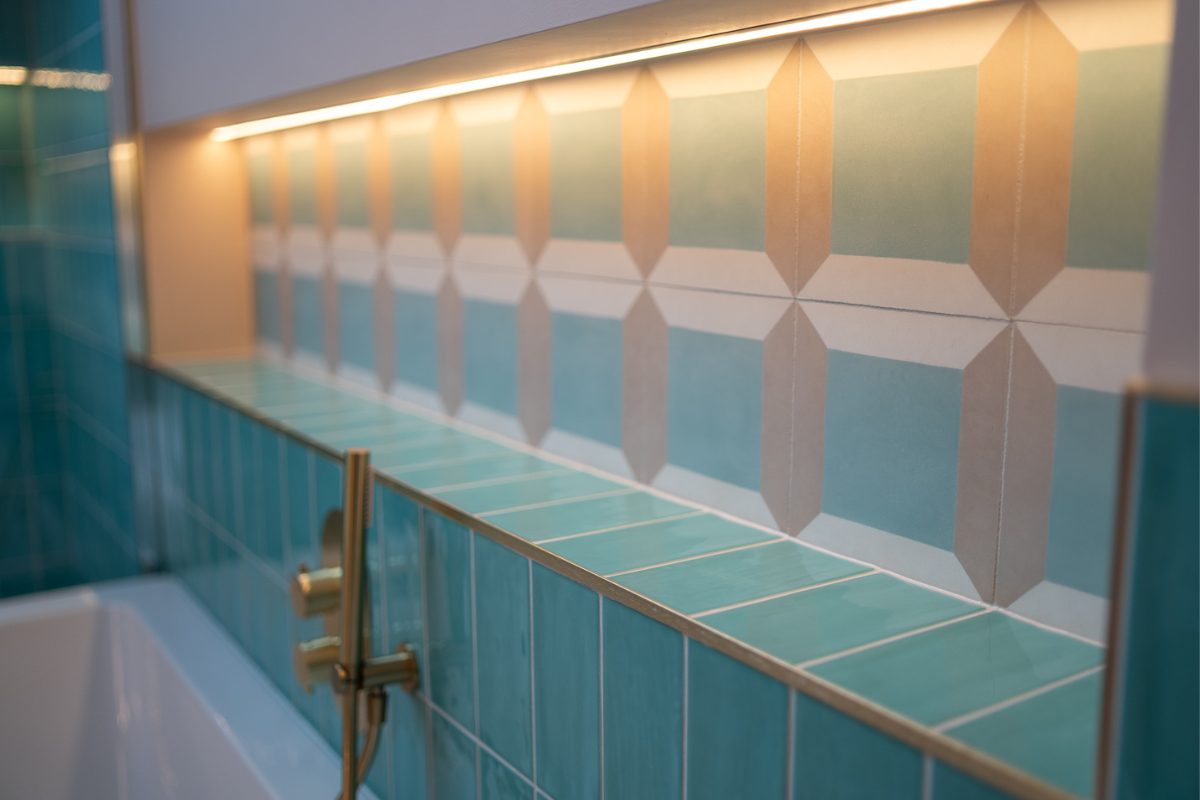
The best bathroom tiles balance water and slip resistance with durability and aesthetic appeal.
What Makes A Good Bathroom Tile?
The best bathroom tiles need to balance these four things: water-resistance, slip-resistance, durability, and aesthetic appeal.
1 - Water-Resistant
The bathroom is constantly exposed to water, so ensuring your tiles are water-resistant is essential. They protect against moisture and damp and prevent future damage to your bathroom.
If tiles absorb moisture, they can cause many problems. They can allow water to seep behind the tiles, causing mould and mildew buildup, which isn’t ideal for those living with health conditions, including allergies or respiratory issues.
They can also weaken the wall behind the tiles, causing rot and crumbling, making it more likely for the tiles to crack and break. Before installing, check that your tiles are definitely water-resistant. This will save you a lot of time and money, as the process becomes a lot harder once they’re fixed.
2 - Slip-Resistant
Bathrooms are one of the most common places for accidents in the home. With splashes from the shower, getting in and out of the bath, and frequently using the sink, water on the floor is inevitable.
To avoid slips and falls, it’s important to ensure that you install slip-resistant tiles on the floor - particularly if you live with children, elderly people or anyone with mobility issues. Slip-resistant tiles dramatically reduce the risk of accidents, with highly textured and more grippy materials being a key feature.
In the UK, slip resistance is measured for this exact reason. Keep an eye out for an R rating when buying your bathroom tiles - the higher the number, the more grip. For example, R10-R11 is a common recommendation for bathroom tiles.
For more information, read this guide on checking for slip resistance.
3 - Durability
Durability is a key factor to consider when it comes to choosing your bathroom tiles because of the constant demand on a bathroom. From the constant foot traffic to dropped objects such as shampoo bottles and hair dryers, as well as the weight of furnishings, the bathroom needs to be hardy.
A new bathroom is a significant investment, so it’s important to get it right in the beginning to avoid costly repairs and replacements. Note: Once a tile has cracked, it can be very difficult to replace, especially as it can cause damage to the tiles around it.
The durability of the tiles determines the lifetime of the bathroom, so make sure you choose strong tiles if you want it to last.
4 - Aesthetic Appeal
Although water- and slip-resistant tiles are essential, how your bathroom looks and feels is just as important. If you’re spending a lot of time and money, you’ve got to like it at the end of the day.
Think about the size of the bathroom and the layout, as this can determine the colour and style of tiles you should go for. Whether you prefer a more minimalist spa-inspired look, luxurious, or artisan with the use of bold colours and finishings - there are endless possibilities for designing your dream bathroom.
Bathroom tiles come in all different shapes, sizes, and patterns, and having a variation can be a great way to accent different areas of your bathroom, especially the shower or bath.
Experiment with different coloured grout and explore how matte, gloss and glazed tiles can reflect light and instantly brighten up the space.
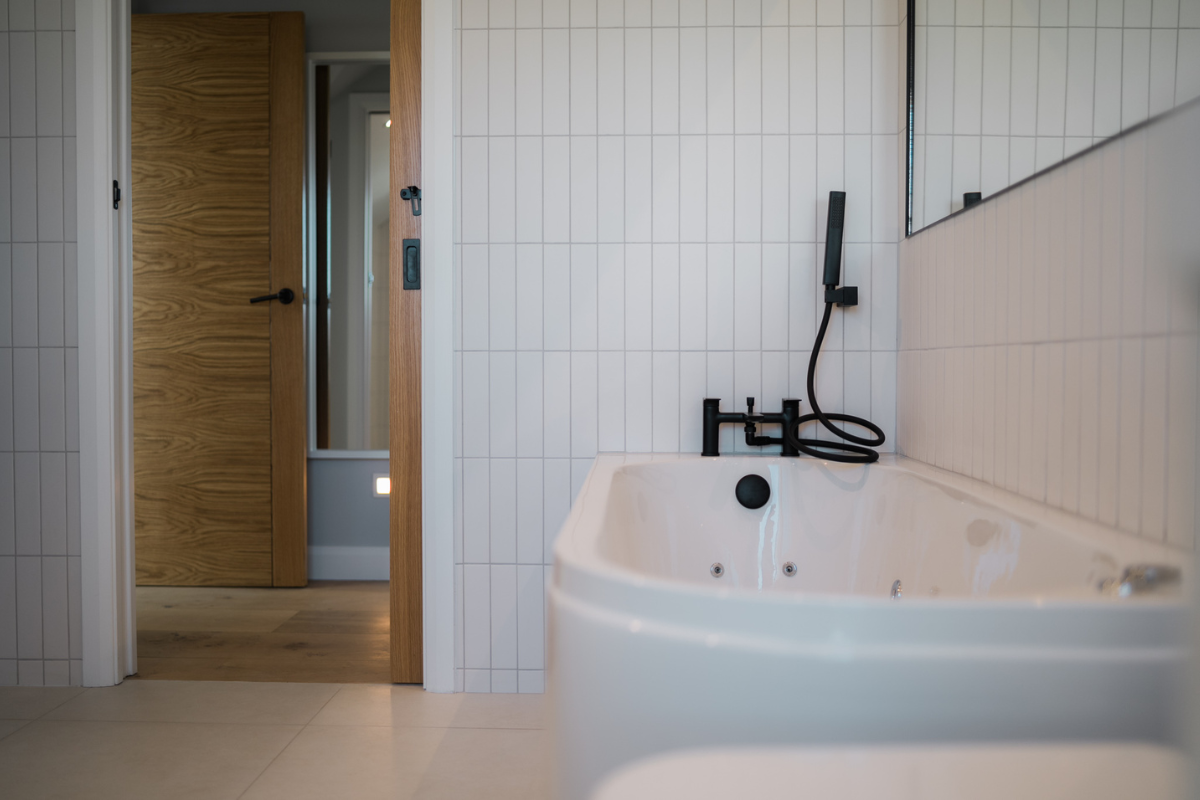
Explore the four best materials for bathroom tiles, including porcelain, ceramic, natural stone, and mosaic.
The Best Materials For Bathroom Tiles
Now that we’ve finished looking at what makes a good bathroom tile, it’s time to explore the best types of materials.
We’ve narrowed it down to four of the most popular bathroom tile materials, highlighting their pros and cons as well as where they should feature in the space, from the walls and floors to shower accents and sink splashbacks.
Porcelain Tiles
Pros: Durable and hard-wearing with low water absorption. Resistant to chips, scratches, stains, and fading, and come in a variety of styles and colours.
Cons: Heavier and generally more expensive than ceramic tiles. Also harder to cut and install.
Best for: Bathroom floors, walls and wetrooms in busy areas.
Ceramic Tiles
Pros: Affordable and available in a wide range of colours, patterns and sizes. Easier to cut and install compared to porcelain tiles.
Cons: Slightly less water-resistant compared to porcelain. Their softer surface is also more prone to chipping and wear over time.
Best for: Bathroom walls in less busy areas.
Natural Stone Tiles
Pros: Offer a more premium, luxurious look and feel. Durable and long-lasting if cared for properly, and can add value to the home.
Cons: More porous, so it needs regular sealing and maintenance. Can also be a more expensive option. Some finishes may even be less slip-resistant when wet e.g, marble.
Best for: Bathroom feature walls and luxurious aesthetics.
Mosaic Tiles
Pros: Perfect for pattern lovers to accent key features. Work well with curved or awkward surfaces. Available in porcelain, ceramic, stone, and glass - lots of design flexibility.
Cons: Needs a lot more grout, requiring more cleaning and higher maintenance. Fiddlier and the most costly to install.
Best for: Shower floors, sink splashbacks and accent features.
Choosing the right tiles for your bathroom depends on the layout of the bathroom, your design and style preferences, and most importantly, your budget.
There is no right or wrong, but ways in which you can make the most of the space and create an environment that balances both practicality and beauty.
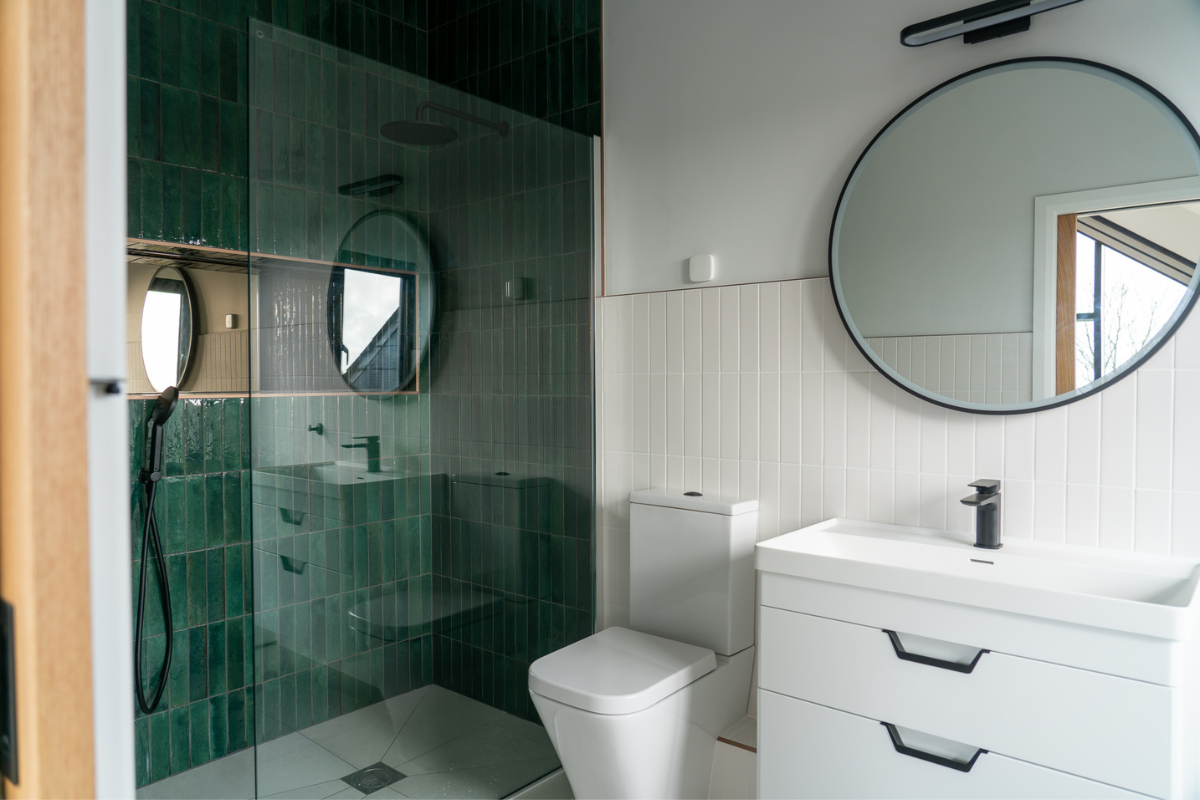
Explore a range of different bathroom layouts, finishes, and styles to see exactly how your space could look.
Design Your Dream Bathroom With Cwtch Haus
In 2026, the bathroom has evolved from a practical space to a haven of calm and comfort, with 51% of people saying renovating their bathroom has tangibly improved their overall happiness at home.
Whether you own a small or large bathroom or have multiple running throughout the house, it’s become a space to unwind, pamper yourself, and enjoy everyday life.
At Cwtch Haus, we offer a free, no-obligation home measure and design service. This allows you to explore a range of different bathroom layouts, finishes, and styles to see exactly how your space could look.
With the help of our specialist team, we can help you choose everything from tile materials and colour schemes to sanitaryware and furnishings.
Get in touch today to find out more, and let’s create something special together. Need more inspiration? Explore some of our recent bespoke bathroom designs.
